Budgeting Your Alaska Move
Creating a comprehensive budget starts with distinguishing fixed and variable costs. Fixed costs include documentation, packing materials, and baseline insurance, while variable costs comprise transportation based on distance, volume, and service complexity.
Measuring shipment volume in cubic feet rather than room count helps optimize container selection and labor allocation. This approach ensures efficient use of transportation and packing resources.
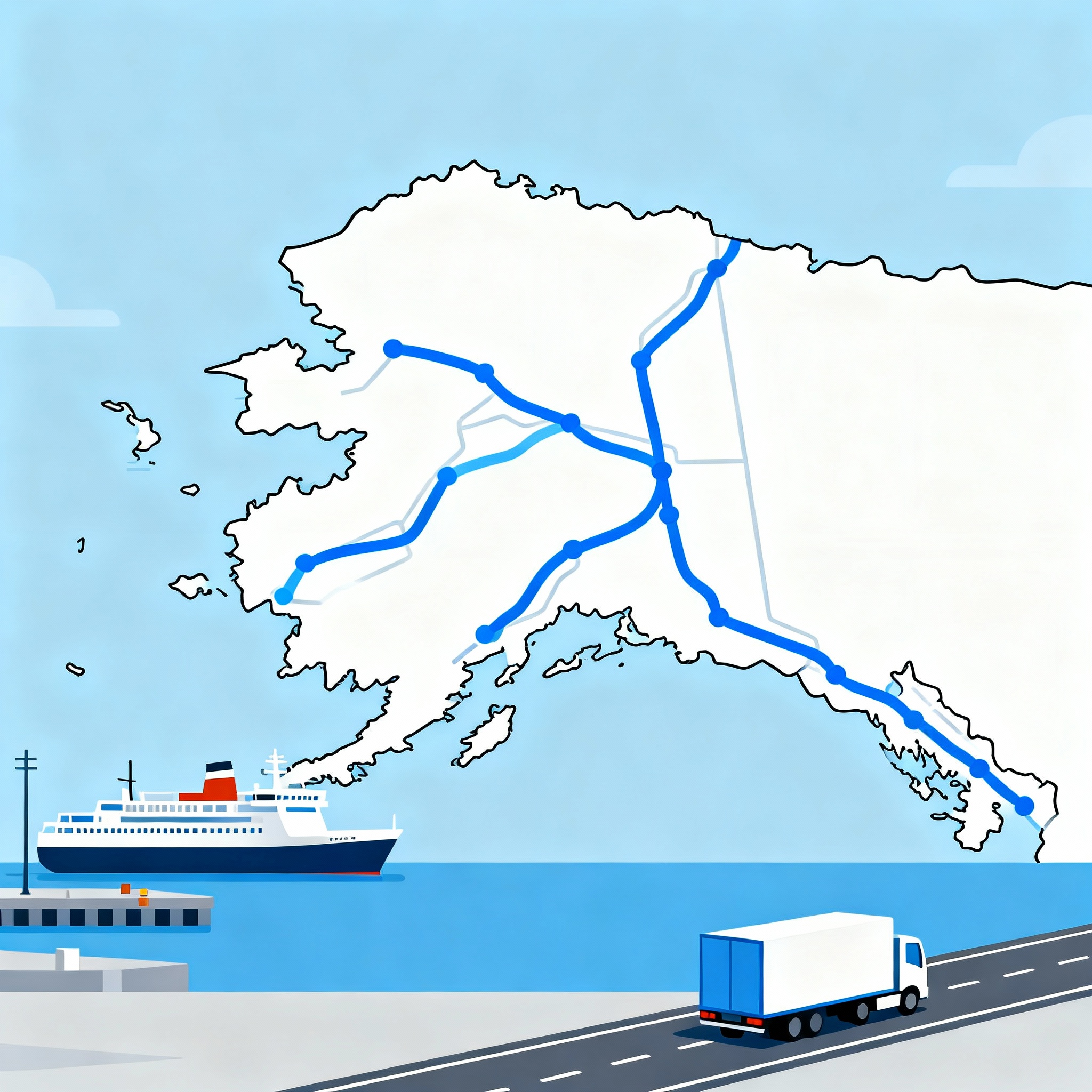
Account for timing buffers especially when coordinating across multiple transport modes, such as highways, ferries, and barges. Effective buffers mitigate risks of delays due to weather or scheduling changes.
Compare feasible route options including highway-only, highway combined with marine segments, and exclusive marine routes for remote destinations to align with budget and timeline constraints.
Evaluate service levels: full-service options reduce physical and emotional strain but increase costs; partial or DIY services require more household involvement yet yield savings.
Request multiple quotes to gauge budget ranges, emphasizing binding or not-to-exceed pricing to enhance predictability.
Ensure vehicle dimensions comply with transportation restrictions and prepare items for load securement during marine transport.
Plan finances considering down payments and terminal fees to avoid disruptions during delivery phases.
Use insurance coverage effectively by documenting valuables and coordinating with providers to minimize exposure to losses.
Maintain a centralized, regularly updated moving plan accessible to all stakeholders for transparency and smooth coordination.
For expert coordination, connect with Independence Moving and Storage.